The solution isn't a pizza party or a one-time bonus. It's structured, intentional connection — the kind that builds trust, improves communication, and gives employees a genuine reason to show up.
This guide breaks down team building activities across every setting: in-office, outdoor, creative, wellness-based, and remote. Each section addresses not just what to do, but why it works and when to use it.
Key Takeaways
- Team building boosts morale by building trust, improving communication, and creating shared positive experiences outside daily routines
- Activity choice depends on team size, current morale level, and whether the situation calls for a quick reset or a deeper intervention
- Nature-based and creative experiences produce more lasting morale improvements than standard office games
- When morale hits rock bottom, the type of activity matters more than its frequency
Why Team Building Activities Improve Work Morale
Team building's connection to morale is measurable, not just intuitive. When people feel genuinely connected to their colleagues, they report higher job satisfaction, a stronger sense of belonging, and more motivation to contribute.
HBR research found that high belonging at work correlates with 56% higher job performance, 50% lower turnover risk, and 75% fewer sick days. The APA's 2023 Work in America Survey reinforces this: 94% of workers say it matters that their workplace is somewhere they feel they belong.
What Teams Actually Gain
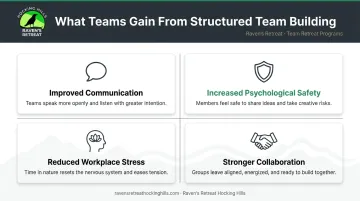
Structured team building consistently produces four outcomes that translate directly to performance:
- Improved communication — teams that share low-stakes experiences develop shorthand and trust that carries into work conversations
- Increased psychological safety — people speak up more, take more creative risks, and surface problems earlier
- Reduced workplace stress — shared positive experiences lower tension and shift group dynamics
- Stronger collaboration — cross-functional teams that know each other personally work through conflict faster
Gallup's Q12 meta-analysis reports that highly engaged teams show 14% higher productivity and 23% higher profitability compared to disengaged ones. Team building activities are one of the most direct levers for moving engagement in the right direction.
Why Activities Beat One-Time Perks
Bonuses and perks create short-term satisfaction. Team building creates a shared memory and a lasting shift in how people relate to each other — two things a cash reward can't replicate.
| What Perks Deliver | What Team Building Delivers |
|---|---|
| Immediate gratification | Shared reference points and inside shorthand |
| Individual benefit | Group cohesion and psychological safety |
| Fades within weeks | Shapes team culture over time |
Research from Harvard Business School supports this: symbolic recognition, peer acknowledgment, and shared accomplishments drive intrinsic motivation more durably than financial rewards.
Warning Signs You're Overdue
If your team is showing any of these patterns, team building shouldn't wait:
- Increased interpersonal conflict or passive tension
- Disengagement during meetings — cameras off, low participation
- Rising absenteeism or quiet quitting behavior
- Reduced cross-team collaboration
- Higher turnover intent, especially among mid-level contributors
Fun In-Office Team Building Activities to Boost Morale
In-office activities are your baseline — low effort, no travel budget, and easy to run monthly. They work best when they're habitual rather than occasional.
Icebreakers and Connection Games
These are ideal for new teams, onboarding cohorts, or teams that rarely interact across departments.
- Two Truths and a Lie — Each person shares two true statements and one false one. The group guesses the lie. Works well because it creates surprise and reveals personality without pressure
- Office BINGO — Players find colleagues who match squares like "has lived in another country" or "plays an instrument." Encourages conversations that wouldn't happen organically
- Find Something in Common — Pairs or small groups have 5 minutes to discover something unexpected they share. Pairs often find common ground in surprising places — shared hometowns, obscure hobbies, or identical career pivots
- A Penny for Your Thoughts — Each person picks a coin from a jar and shares a memory from that year. Gets people talking about their lives outside work in a structured, low-pressure way
Collaborative Challenges
Cross-departmental teams benefit most here — these activities build functional trust, not just familiarity.
- Marshmallow/Spaghetti Tower — Teams build the tallest freestanding structure using spaghetti, tape, and a marshmallow. Tests real-time communication and creative problem-solving
- Egg Drop Challenge — Groups design a structure to protect an egg from a drop. Requires genuine cooperation and reveals how teams handle failure
- Puzzle Exchange — Teams start with one puzzle and must complete it by negotiating pieces from competing teams. Introduces resource constraints and collaboration under pressure
- Office Scavenger Hunt — Teams solve clues scattered around the building. Low-cost, energizing, and particularly effective at helping newer employees learn the space and people
When collaborative energy runs high, it tends to surface something else teams often overlook: the need to acknowledge it.
Recognition and Appreciation Activities
Gallup-Workhuman research found that well-recognized employees are 45% less likely to turn over two years later — and employees who receive valuable peer feedback are 5x as likely to be engaged. These numbers make recognition one of the highest-ROI investments a team can make, and it costs almost nothing to start.
- Compliment Circles — At the close of a team meeting, each person shares one specific thing they appreciate about a colleague. Takes 10 minutes, costs nothing, and shifts the emotional temperature of the whole room
- Group Appreciation Rounds — A rotating spotlight where one team member is recognized by the entire group. Especially effective during performance reviews or after project completions
- Wow Wall or Team Memory Board — A shared physical or digital space where teammates post shout-outs, wins, and milestone photos. Creates a running record of team wins that new hires can browse and long-timers can revisit
Outdoor and Offsite Team Building Activities That Actually Work
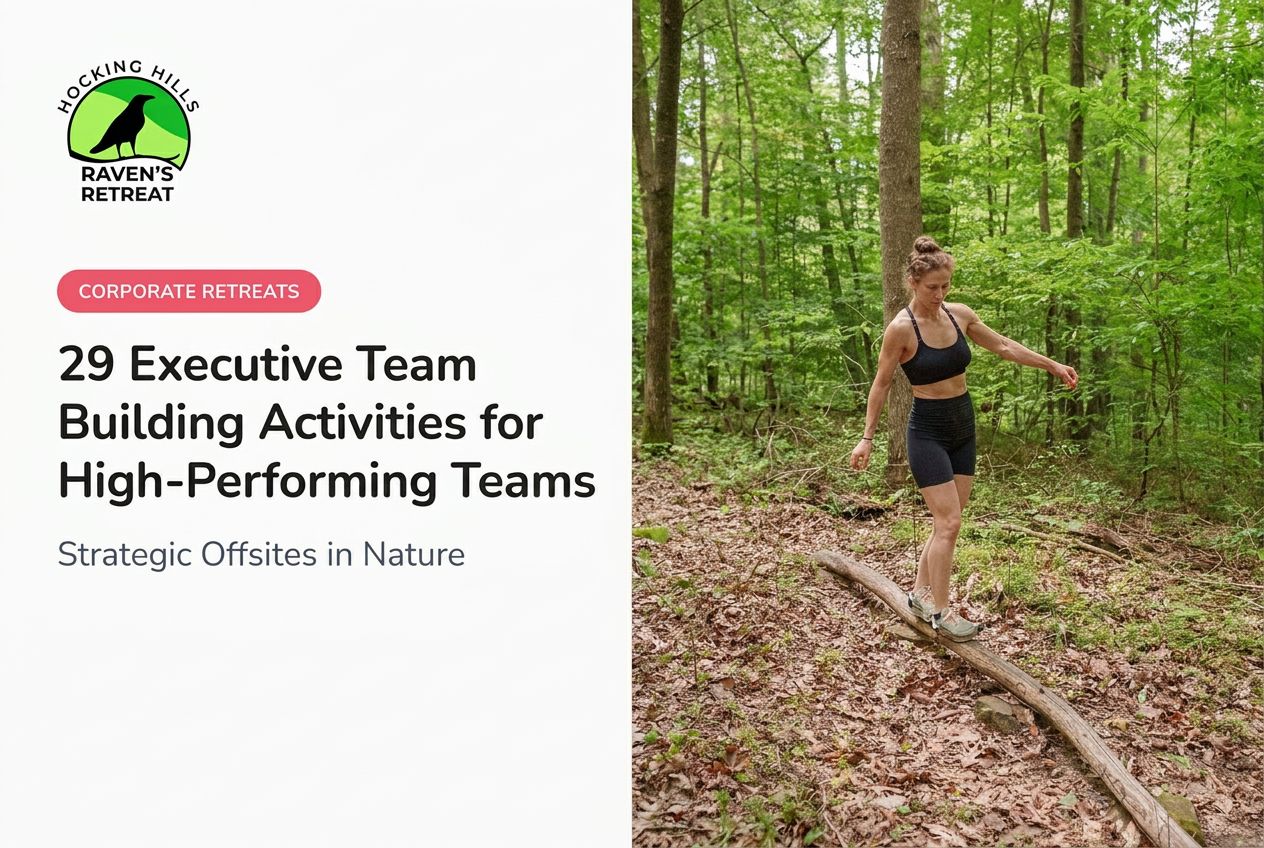
Getting a team out of the office is one of the most effective ways to reset morale , and the mechanism is well-documented. The APA links nature exposure to lower stress, better mood, improved attention, and stronger prosocial connection. New environments also reduce hierarchical tension — a manager and a newer employee solving a challenge together in an unfamiliar setting level the dynamic in ways an office never will.
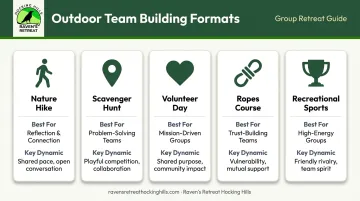
High-Impact Outdoor Formats
| Format | Best For | Key Dynamic |
|---|---|---|
| Nature hike with group challenges | Mixed teams | Focus + conversation |
| Scavenger hunt in a new location | Cross-departmental teams | Problem-solving |
| Community volunteer day | Teams rebuilding purpose | Shared meaning |
| Ropes course or obstacle challenge | Competitive teams | Trust under pressure |
| Recreational sports event | High-energy teams | Low-stakes fun |
Full Corporate Retreats: The Deepest Reset
When a full-day activity isn't enough, a multi-day offsite retreat creates the kind of before/after shift that in-office events rarely achieve. The right retreat setting combines structured programming with genuine downtime — and the physical remove from familiar office cues accelerates trust-building in ways scheduled activities alone can't.
For Midwest-based teams, Raven's Retreat Hocking Hills offers a distinct option. Set on a 58-acre private nature preserve near Laurelville, Ohio, the retreat accommodates corporate groups of up to 18 overnight guests - the Sculptor's Art Lodge sleeps 16 and the Sculptor's Art Bungalow sleeps an additional 2. Groups of 16 or fewer can book the Art Lodge without a full property buyout, making it an accessible option for smaller teams.
The property supports structured team programming alongside real restoration:
- Guided forest bathing and wellness trails with 220 feet of elevation change
- Elevated forest yoga platform, BioFit fitness stations, and designated forest meditation zones
- Creative workshops and live sculpture performances by master sculptor Dustin Weatherby
- Add-on wellness sessions including yoga, guided meditation, somatic breathwork, and sound baths
- Fully equipped Art Lodge with 300+ Mbps Wi-Fi for hybrid work sessions
One corporate testimonial from a CEO forum group captures the experience directly: "The creative energy was contagious, and the forest hikes were better than therapy."
Tips for Planning a Successful Offsite
- Book early for custom programming; peak fall weekends at venues like Raven's Retreat book out quickly
- Balance structure with space — schedule focused sessions in the morning, leave afternoons more open for informal connection
- Include individual time — not every hour needs a group activity. Unstructured time in a restorative environment often produces the most meaningful conversations
Creative and Wellness-Based Team Building Activities
Creative and wellness-integrated activities often outperform conventional team games for one specific reason: they engage the whole person. A 45-minute art-making session reduced cortisol levels in 75% of participants in a study of healthy adults — regardless of their prior art experience. Nature exposure adds another layer: NIH-indexed reviews indicate it may also reduce cortisol and support stress recovery.
For teams in high-cognitive-load or high-stress roles, these formats offer something a trivia night can't — genuine nervous system recovery alongside team connection. The formats below span both categories, so you can match the activity to what your team actually needs.
Creative Formats Worth Booking
- Collaborative mural painting — Teams contribute to a single large-scale piece. The shared artifact becomes a lasting visual reminder of the collaboration
- Sculpture or pottery workshops — Hands-on making slows the mind and shifts focus from performance to process, generating conversation naturally
- Guided art classes — Accessible regardless of skill level; the shared beginner experience builds humility and humor
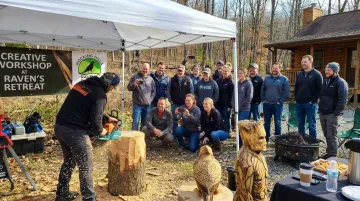
- Live performance experiences — Watching a skilled artist work in real time creates a shared, non-competitive focal point that sparks organic conversation about craft, process, and ideas
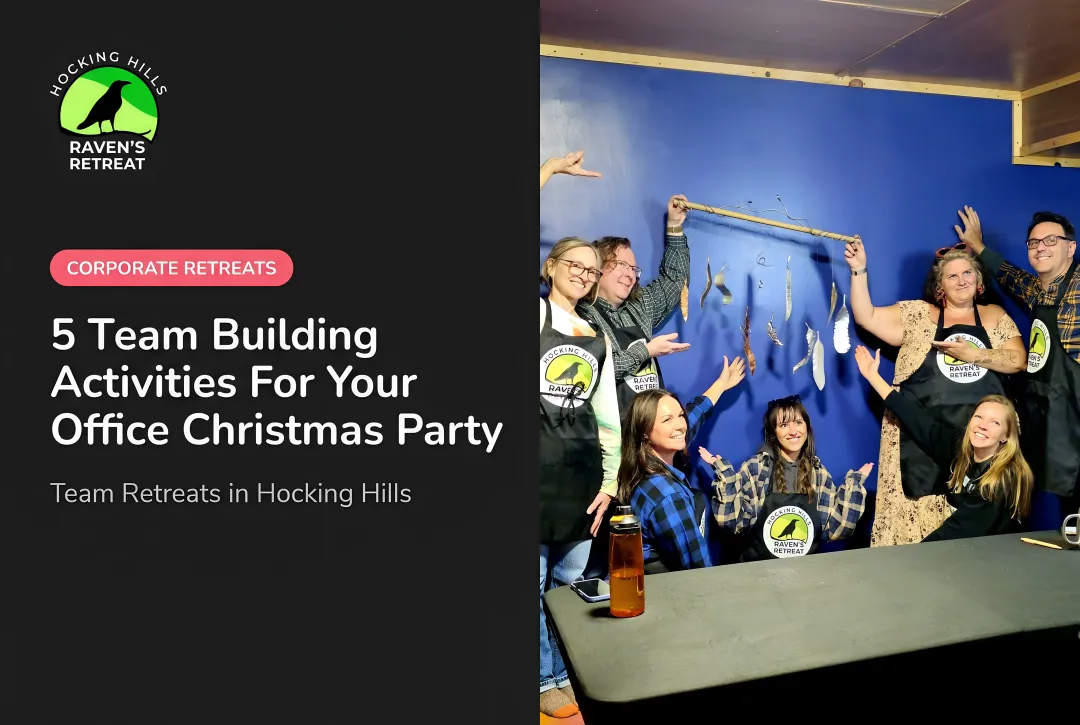
At Raven's Retreat, Dustin Weatherby's live sculpture performances — where teams watch a raw log transform into a finished work over a few hours — serve exactly this purpose. Groups can commission a custom piece to take home, creating a tangible memento of their retreat.
Wellness-Based Formats
- Guided forest walks or forest bathing — Led by certified practitioners, these mindful nature immersions lower stress markers and lift mood in ways most indoor activities simply can't replicate
- Group breathwork or somatic release sessions — Particularly effective for teams carrying high stress loads; these sessions address nervous system regulation directly
- Yoga and movement classes — Best scheduled in the morning to set a focused, grounded tone before strategic sessions
- Sound baths — A fully passive experience requiring no prior skill or effort, making them a low-barrier entry point for even the most skeptical team members
Team Building for Remote and Hybrid Teams
Remote and hybrid teams face morale challenges that don't respond to the same interventions. Microsoft's research found that 55% of hybrid employees and 50% of remote employees felt lonelier after going remote or hybrid — and 59% of hybrid employees had fewer work friendships afterward. Meeting fatigue compounds the problem: the average Teams user's weekly meeting time increased 252% since 2020.
Virtual team building can help close the gap, but it has real limits. Microsoft also found that 66% of respondents said virtual coffee chats feel more like a chore than an in-person gathering. The format has a ceiling.
Virtual Formats That Actually Engage
- Virtual trivia — Low-barrier, genuinely fun in small groups, and easy to run monthly
- Online escape rooms — Requires real-time collaboration and problem-solving; higher engagement than passive activities
- Remote show-and-tell — Team members share something from their home or personal life. Builds genuine familiarity without forced conversation
- Scheduled virtual coffee chats — Structured one-on-ones between colleagues who don't normally interact. More effective when framed as a specific conversation topic rather than open-ended chat
- Digital appreciation boards — Async-friendly recognition tools that maintain visibility of peer contributions across time zones
The most effective approach for remote teams isn't more Zoom calls. Research explicitly points to quarterly in-person offsites as the anchor for remote teams' sense of belonging. Virtual activities work best as a bridge between those gatherings, not a substitute for them. For small teams of 20 or fewer, a dedicated offsite at a place like Raven's Retreat in Hocking Hills — with guided wellness experiences, creative workshops, and immersive outdoor spaces — gives remote colleagues the shared, in-person experience that no Zoom call can replicate.
How to Rebuild Morale When It Hits Rock Bottom
Standard icebreakers don't work when trust has genuinely eroded. After layoffs, leadership upheaval, prolonged burnout, or unresolved conflict, teams need a reset experience that acknowledges what happened, rebuilds psychological safety, and marks a genuine turning point.
McKinsey links psychological safety directly to consultative, supportive leadership. MIT Sloan points to specific manager-led tactics for helping employees feel comfortable speaking up. The shared conclusion: low-trust teams need voice and emotional safety before they need activities.
Formats That Work in Low-Trust Situations
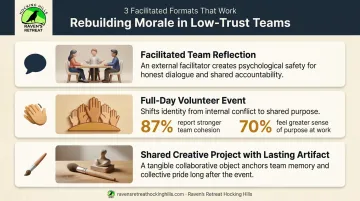
- Facilitated team reflection session — A structured conversation with an external facilitator where team members can speak honestly about what's working and what isn't. Transparency here is more valuable than any game
- Full-day volunteer event — Deloitte's 2024 survey found 87% of workers consider volunteer opportunities important to their work experience, and 70% say volunteering boosts their sense of purpose — particularly meaningful after a stretch of organizational hardship
- Team retreat with unstructured time — Not a packed agenda. A setting where informal bonding can happen naturally, without pressure to perform or be positive
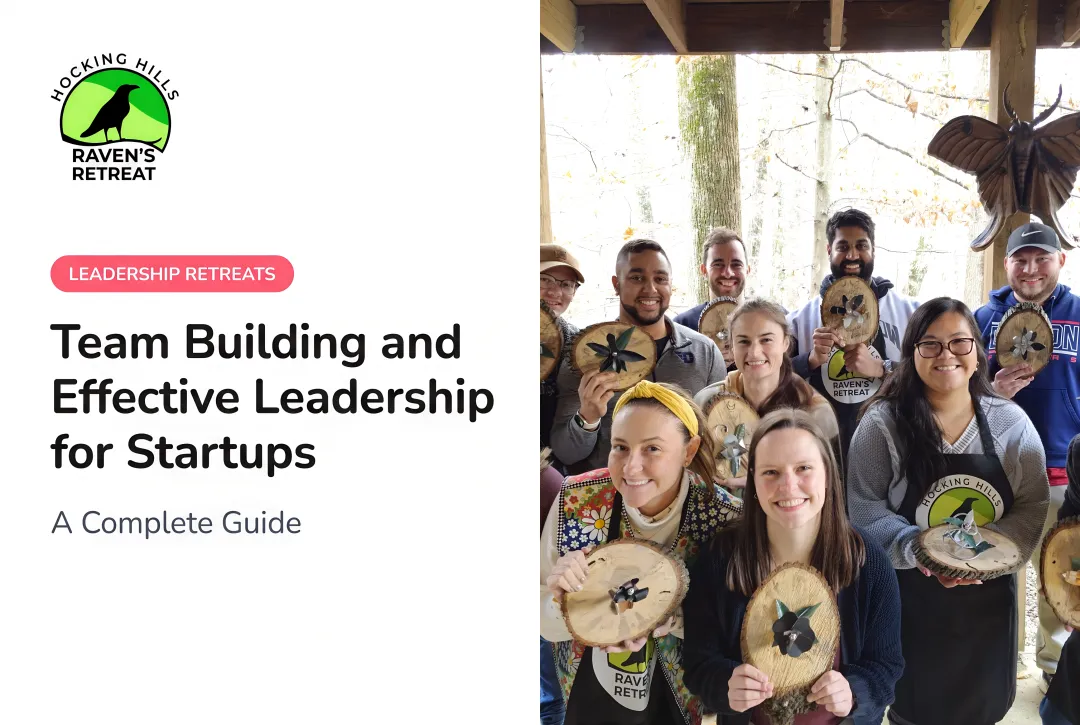
- Shared creative project with a lasting artifact — A collaborative mural, a commissioned sculpture, or a group-built installation. Something physical that says "we made this together" carries meaning that no team dinner can replicate
Choosing the right format is half the work. The other half is getting a skeptical team to show up with any openness at all.
For Managers Facing Resistant Teams
If your team is skeptical about team building, that skepticism is usually earned. Here's how to introduce it without making it worse:
- Be transparent about why it's happening — Don't package it as a fun day. Acknowledge the difficulty and explain what you're trying to do
- Give employees input — Let people vote on formats or propose their own ideas. Ownership reduces resistance
- Avoid anything that feels performative — Forced enthusiasm after a difficult period damages trust. Choose formats that prioritize honest connection over entertainment
Frequently Asked Questions
How do you build team morale in the workplace?
Durable morale comes from consistent peer recognition, regular team connection, and open communication from leadership. Small, frequent gestures paired with periodic meaningful experiences build sustainable culture — not just temporary goodwill.
What is a good team building activity when morale is super low?
Surface-level games won't make a real difference when trust has significantly eroded. A full-day offsite retreat, a volunteer event tied to a meaningful cause, or a facilitated team reset experience are more appropriate — these formats prioritize emotional safety over competition.
What are fun team building activities for work?
Scavenger hunts, escape rooms, collaborative art projects, cooking classes, trivia nights, and outdoor nature activities all land well depending on the team. The key variable is fit — chosen for the team's personality and comfort level, not just what looks good on a planning document.
How often should teams do team building activities?
A tiered approach works best: small in-office activities monthly, larger group events quarterly, and a meaningful offsite retreat at least once a year. Consistency matters more than scale because frequent, light-touch connection does more for morale than one annual event that's quickly forgotten.
What makes a team building activity actually effective?
Effective activities require genuine collaboration rather than just co-presence, and they create a shared memory tied to where the team actually is right now. An activity that's perfect for a high-functioning team can feel tone-deaf for one that's struggling.
Are offsite team retreats worth the investment?
In-person connection consistently outperforms virtual alternatives for building belonging and reducing isolation, and the data from Microsoft and Gallup backs this up. Teams that invest in offsite retreats tend to return with renewed energy, stronger collaboration, and lower turnover intent.